

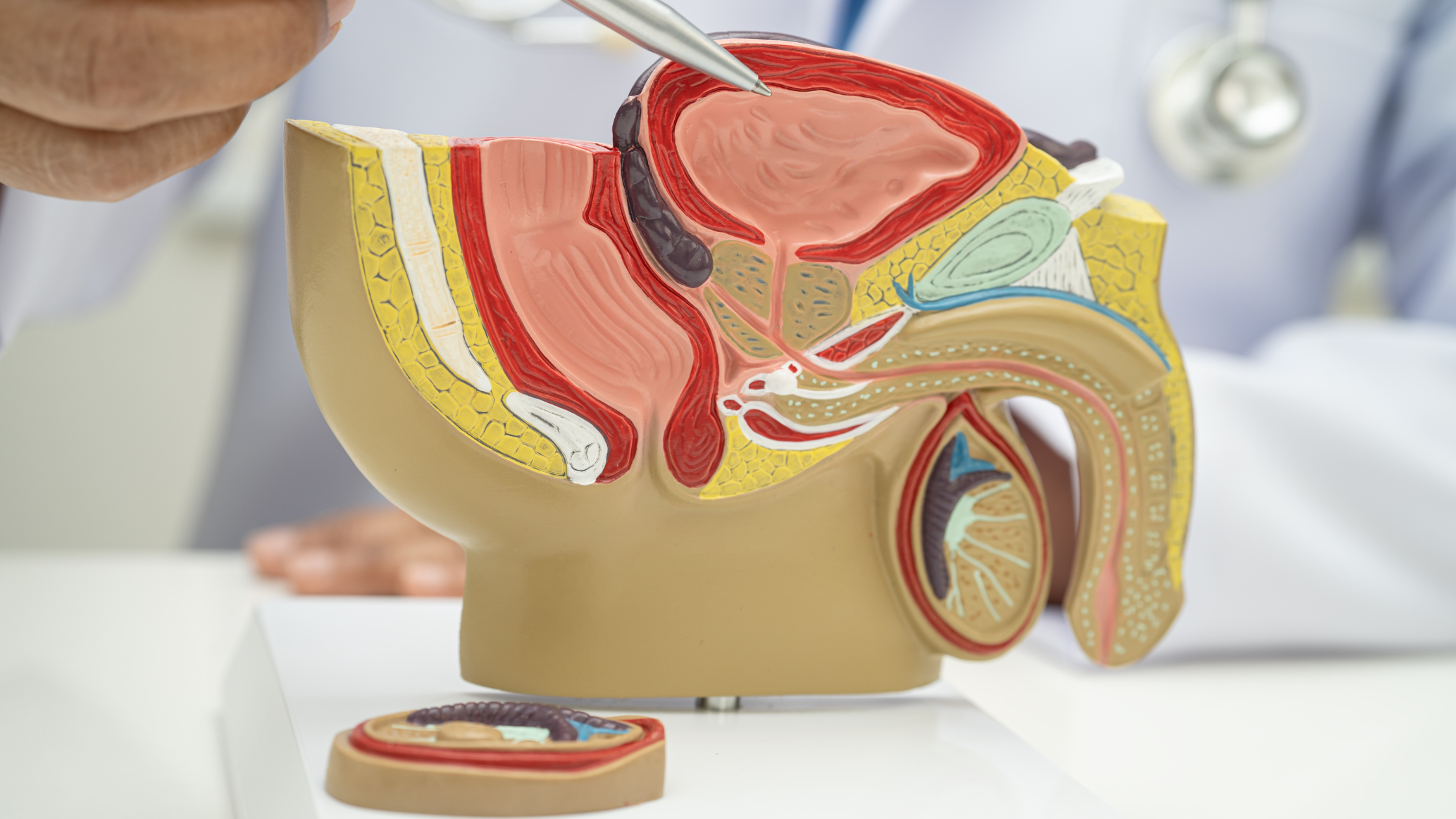
Erectile Dysfunction and Cardiovascular Health: The Connection You Can’t Ignore | Dr Karina
As a nurse practitioner, I often encounter patients who are hesitant to discuss issues related to sexual health, particularly erectile dysfunction (ED). However, it’s critical to understand that ED is not just a personal concern; it can also be an important indicator of underlying cardiovascular health. In this blog, I will explore the link between erectile dysfunction and cardiovascular disease, why it’s essential to address these issues, and how patients can take proactive steps towards better health.
Understanding Erectile Dysfunction
Erectile dysfunction is defined as the inability to attain or maintain an erection sufficient for satisfactory sexual performance. While it can occur occasionally or sporadically due to stress, anxiety, or fatigue, persistent ED—defined as occurring more than 25% of the time—is a medical condition that may warrant further investigation.
Common Causes of Erectile Dysfunction
ED can stem from a variety of factors, which can be broadly categorized into physical and psychological causes:
– Physical Causes: These include cardiovascular diseases, diabetes, obesity, hypertension, high cholesterol, hormonal imbalances, and respiratory diseases. Any condition that impacts blood flow, nerve function, or hormone levels can contribute to erectile dysfunction.
– Psychological Causes: Mental health issues such as anxiety, depression, and relationship problems can also lead to ED. The interplay between mental and physical health is crucial.
The Connection Between ED and Cardiovascular Health

Research has shown a strong correlation between erectile dysfunction and cardiovascular disease (CVD). In fact, the presence of ED can serve as an early warning sign for cardiovascular problems. Here’s why:
1. Vascular Health: Erection is primarily a vascular process involving blood flow to the penis. Conditions that compromise blood circulation, such as atherosclerosis (hardening of the arteries), can lead to both ED and heart disease. If blood vessels in the penis are affected, other arteries in the body, including those supplying the heart, are likely impacted as well.
2. Shared Risk Factors: Many of the risk factors for cardiovascular disease—such as smoking, obesity, hypertension, higher cholesterol levels, and sedentary lifestyle—are also common among men with ED. Addressing these shared risk factors can support both sexual function and overall cardiovascular health.
3. Underlying Conditions: Chronic conditions like diabetes and hypertension can damage blood vessels and nerves over time, causing ED. Managing these disorders effectively can ease symptoms of erectile dysfunction and manage cardiovascular risk.
Why Addressing ED Matters
Ignoring erectile dysfunction is not solely about sexual health; it may have far-reaching implications for overall wellness. Here are a few reasons why addressing ED is important:
– Early Detection of CVD: Men experiencing ED should view it as a warning sign rather than just an embarrassing problem. Early identification and care can significantly lower the risk of heart attack or stroke.
– Quality of Life: Addressing erectile dysfunction may have positive effects on self-esteem, relationships, and emotional health.
– Encouragement of Lifestyle Changes: Discussing ED may motivate men to examine their lifestyle choices, encouraging healthier habits such as a balanced diet, regular exercise, and cessation of smoking—all of which benefit both sexual and cardiovascular health.
Steps Towards Better Heart and Sexual Health

1. Consult a Healthcare Provider: Openly discussing ED with a healthcare professional is vital. Initial assessments may involve questionnaires and basic tests, followed by evaluations of cardiovascular health.
2. Lifestyle Modifications: Adopting a heart-healthy lifestyle can play a critical role in improving both cardiovascular and sexual health. This includes:
– Eating a balanced diet rich in fruits, vegetables, whole grains, and healthy fats.
– Engaging in regular physical activity.
– Maintaining a healthy weight.
– Limiting alcohol intake and avoiding illicit drugs.
– Quitting smoking.
3. Monitor Health Regularly: Regular check-ups help manage blood pressure, cholesterol, and blood sugar levels, reducing the risks associated with both ED and cardiovascular disease.
4. Therapeutic Options: Care for ED may include oral medications like phosphodiesterase inhibitors, lifestyle interventions, care for psychological issues, or even device-based services depending on individual cases.
Conclusion
Erectile dysfunction is often more than just a sexual issue; it can be a significant indicator of one’s cardiovascular health. As a nurse practitioner, I encourage men to prioritize sexual health discussions with their healthcare providers, recognizing the broader implications for heart health. Seeking care not only may support sexual function but also help individuals to take charge of their overall well-being.
If you or someone you know is struggling with erectile dysfunction, don’t hesitate to reach out. Together, we can navigate this sensitive topic and take steps toward a healthier, fulfilling life.