

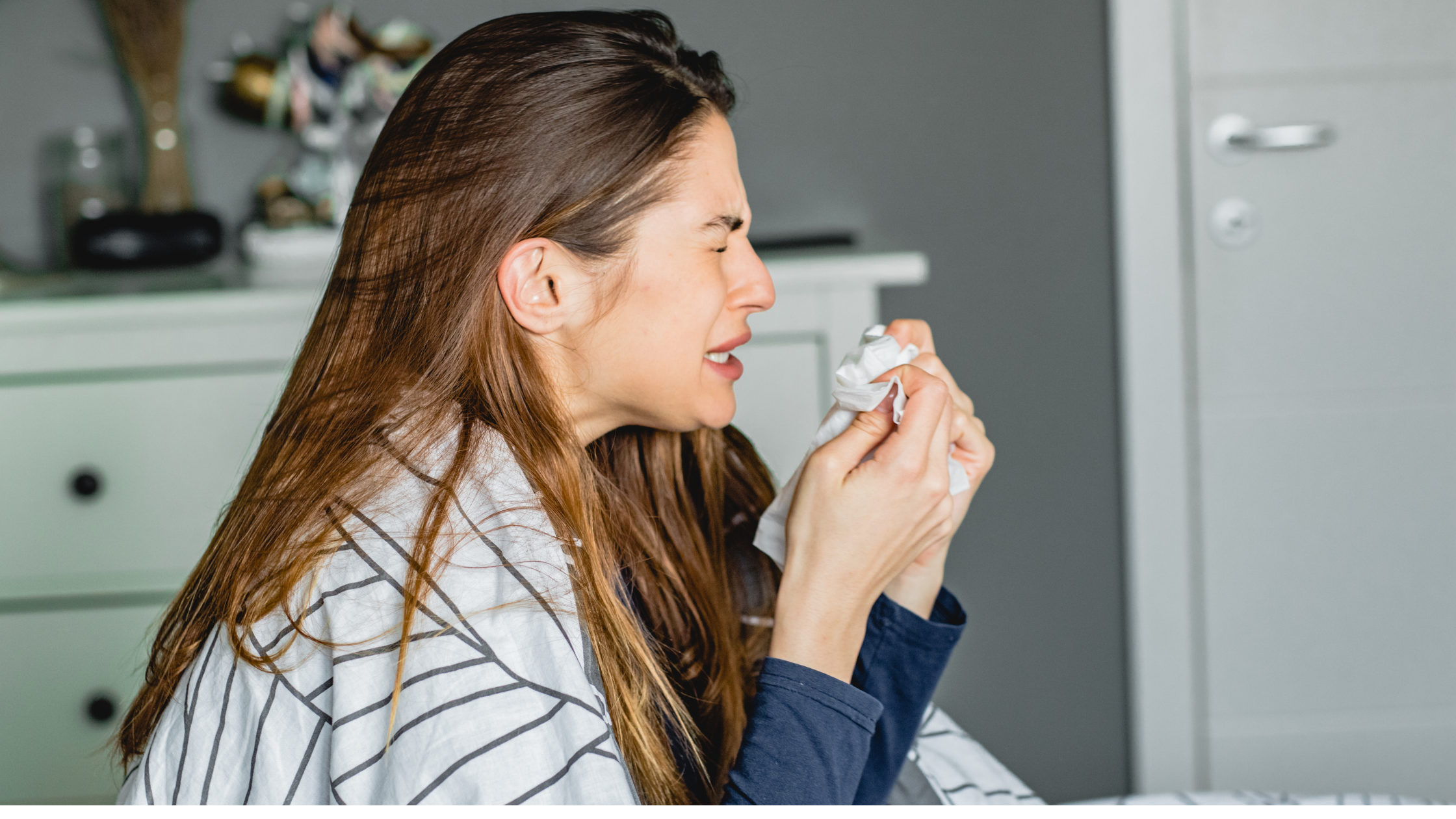
Post Nasal Drip? Or High Estrogen?
Dr. Debbie Smrz
You are not imagining it—your allergy symptoms do get worse depending on where you are in your menstrual cycle. Allergies and asthma symptoms can fluctuate with your periods, a fact not widely recognized but critical to women’s health. Most cells in your body have estrogen receptors, including mast cells and eosinophils (white blood cells that respond to allergens and cause symptoms). During times that you experience hormonal imbalance, such as around your period, ovulation, pregnancy, or during perimenopause—what I like to call the mad chaos of hormones—it is fairly common to see flare-ups in allergic symptoms. There is a specific term for this: perimenstrual allergies, or hormonal allergies.
Sex hormones influence our immune system, making post-puberty women more vulnerable to inflammatory conditions, such as allergies, than men. Women can become hypersensitive to their own hormones, this is due to the fact that the hormones can mimic an autoimmune phenomenon similar to conditions like psoriasis or lupus. Estrogen, progesterone, and their metabolites can attach to proteins and act like antigens. This attachment triggers a Th2 cytokine production, resulting in allergic reactions that may intensify during different phases of the menstrual cycle.
Hormonal acne is another common issue that arises during times of hormonal imbalance, especially during perimenopause or when using hormone replacement therapy or hormone therapy. These fluctuations in estrogen and progesterone can lead to progesterone hormone side effects, which include mood swings, bloating, and skin problems like acne. Hormonal acne is tricky because it’s often resistant to conventional acne care, making it an ongoing issue for many women.
Women face hormone imbalance more often, which can exacerbate conditions like seasonal allergy symptoms. During peak times of your cycle, such as during the Peri-Menstrual Phase (PMS), Ovulation, and Perimenopause, inflammatory responses are triggered. This can may help with post nasal drip symptoms, and post nasal drip care. In some cases, you might need to learn how to balance hormones to better manage these symptoms. Hormonal fluctuations can significantly impact the severity and frequency of allergy symptoms.

Balancing hormones is managing allergy symptoms effectively.
Inflammatory reactions can also occur with the use of oral contraceptive pills or hormone therapy, and an increase in inflammatory response allergy symptoms. In severe cases, immediate intervention may be required to stop post nasal drip and prevent further allergy shots flare-up. These kinds of flare-ups can be quite challenging to manage because they may not only affect your respiratory system but can also trigger inflammation within the body, which can impact your overall health.
Estrogen allergy and progesterone allergy can be described as a condition where the body mistakenly mark these hormones as foreign invaders, resulting in allergic reactions. This incorrect detection can contribute to allergic reaction estrogen symptoms, where the body reacts negatively to the fluctuations in estrogen levels. It’s important to recognize these symptoms early and seek proper medical guidance.
Your allergies might also be influenced by your seasonal allergies—where environmental factors combined with hormonal changes can worsen symptoms. The hormone allergies you experience can sometimes mimic other conditions, making it difficult to identify the root cause. For example, post nasal drip allergies can be confused with other types of systemic allergies due to overlapping symptoms. Understanding the distinctions between these types of allergies can help in formulating a more effective care plan.
Some women experience a heightened histamine reaction during certain phases of their menstrual cycle, especially around ovulation when estrogen levels peak. This reaction can intensify allergic responses, and more severe allergy symptoms. In such cases, the usual over-the-counter antihistamines may not be as suffice, and you might require a more targeted approach, potentially including lifestyle adjustments or prescription medications.
If you’re experiencing symptoms of allergies seasonal or suspect that hormonal allergies are causing issues, it’s important to consult a healthcare provider. A thorough evaluation, including hormone level testing and a review of your symptoms in relation to your menstrual cycle, can provide critical insights. In some cases, hormone therapy may need to be adjusted, or alternative services like bio-identical hormones might be considered.
To better manage your hormone-induced allergies, consider the following steps:
- Track Your Symptoms: Pay attention to your symptoms in relation to your cycle, and write them down. A symptom journal can be incredibly helpful, allowing you to identify patterns and triggers that may not be immediately obvious.
- Adjust Your Diet: Consider lifestyle changes that include an anti-inflammatory diet by increasing your intake of healthy fats, omega-3 fatty acids, and vitamin C, especially in the days before up to your period or ovulation. These nutrients can help ease inflammation and manage the severity of allergic reactions.
- Consult a Practitioner: Talk to a trained doctor with an interest in in hormones for tailored advice. Bio-identical hormones might help in balancing your hormone levels, though they can also sometimes exacerbate symptoms, so professional guidance is crucial.
- Get Tested: Consider getting tested for positive antibodies against estrogen or progesterone via the enzyme-linked immunosorbent assay (ELISA) technique. The test can determine if an autoimmune approach might be suitable for you, as it can help determine whether your body is reacting to its own hormones in a way that mimics an allergy.

Incorporating anti-inflammatory foods into your diet can help ease the severity of hormone-induced allergies.
Understanding the complex relationship between your hormones and allergy symptoms can help you take proactive steps in managing your health. By recognizing the signs of hormone-induced allergies early on, you can ease the severity of allergic reactions, support your overall well-being, and ensure that your care plan is both comprehensive and supportive.
In conclusion, the interplay between hormones and allergies is a complex but crucial area of women’s health. Whether you’re dealing with post nasal drip, seasonal allergy symptoms, or even more systemy-induced conditions like hormonal allergies, being aware of how your cycle influences these issues is the first step in taking control of your health. With the right approach, you can manage and even manage these symptoms, which may support a healthier, more comfortable life.
References:
- Graziottin A, Serafini A. Perimenstrual asthma: from pathophysiology to care strategies. Multidiscip Respir Med 2016;11:30. doi: 10.1186/s40248-016- 0065-0 2. Jensen-J
- Moreno C, Menopause Society, Menopause E-Consult, July 2024